
Fear of flying is more common than most people think. Whether it is the idea of turbulence, the confined space, or simply not being in control, many travellers feel anxious before or during a flight. Even if you have flown many times before, that uneasy feeling can still creep in and make the journey more stressful than it needs to be.
This guide walks through practical ways to approach a flight with more steadiness: understanding what is feeding the fear, where to get help in Australia, breathing and mindset techniques, preparation, and tips for the day. It also covers where the Mindshift Method fits. These are approaches many people find useful alongside professional support, and what works varies from person to person.
What Sits Behind Fear of Flying
Fear of flying does not appear out of nowhere. It is usually a mix of personal triggers, past experiences and how the mind responds to perceived danger. Knowing what is feeding it can help you prepare.
Common Triggers
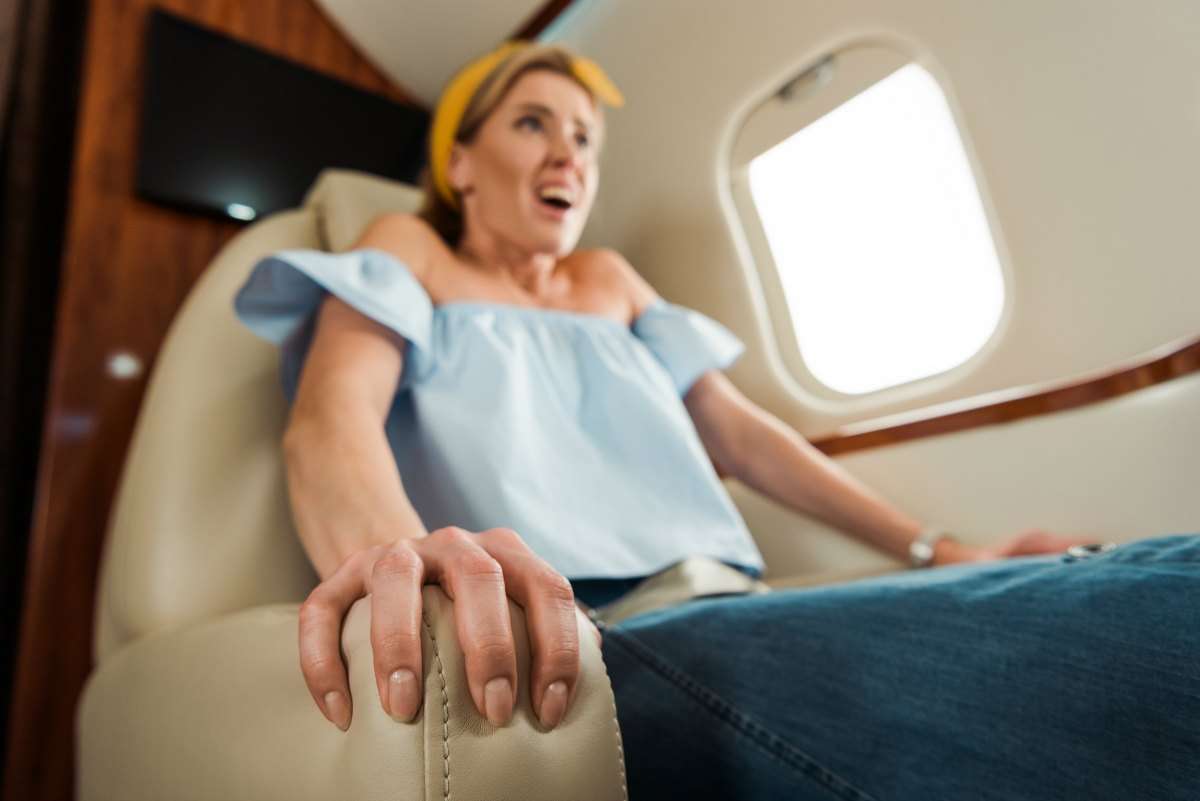
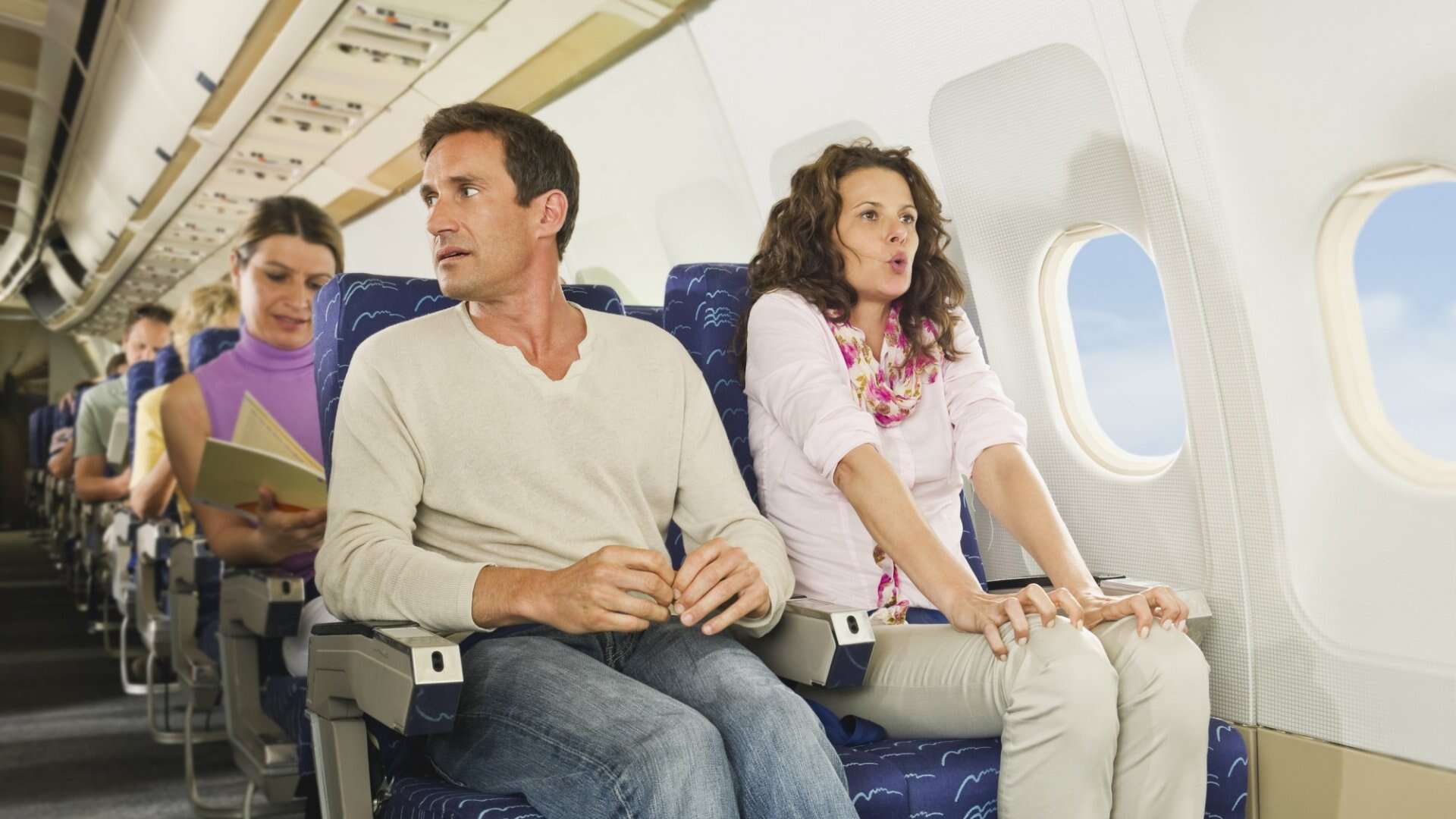
Many people feel fear of flying because of specific triggers that lead to discomfort, anxiety or even panic. These triggers can set off the body’s natural stress response even when the situation is not dangerous. Some of the most common are:
- Claustrophobia: feeling confined in a tight cabin with limited personal space and no quick exit
- Turbulence: sudden or unpredictable movement that can feel unsafe, even though it is usually harmless
- Lack of control: not being in charge of the plane or fully understanding what is happening during the flight
These triggers can bring on physical symptoms such as shortness of breath, a racing heart or muscle tension. The reactions are real, but they are usually a response to perceived danger rather than actual risk. Recognising your own triggers is a useful first step.
Past Experiences or Media Influence
If you have had a frightening flight before, your mind may hold onto that memory and replay it every time you fly. This is especially common if the flight involved turbulence, an emergency landing, or a lot of stress or panic. The mind starts to connect flying with fear, even when most flights are safe and uneventful.
The media can add to this. Movies, news reports and viral videos can feed your imagination with worst-case scenarios, and the more dramatic the story, the more your mind may hold onto it, even though flying is statistically very safe.
Anxiety and Imagination
Anxiety loves to fill in the blanks. When we are unsure about something, like how a plane works or what a noise means, our imagination can jump to the worst possible conclusion: “What if something goes wrong?” or “What if I panic and can’t get out?”
This mix of anxiety and imagination can create a loop. The more you think about what could go wrong, the more anxious you feel, and the more anxious you feel, the more your mind looks for danger, even when there is none. Recognising this pattern is a useful step toward interrupting it.
When to Get Help, and Where
If fear of flying is stopping you from travelling, bringing on panic attacks, or affecting your sleep and mood in the days before a flight, talk to your GP or a psychologist. Psychologists commonly use approaches such as cognitive behavioural therapy and graded exposure for specific fears, and a GP can arrange a Mental Health Treatment Plan with a referral if it fits.
If you are prescribed medication, or are thinking about asking for something to help with a flight, that is a conversation for your GP. Do not start, stop or change any medication without medical advice.
If you are struggling right now or having thoughts of harming yourself, please reach out:
- Lifeline: 13 11 14 (24/7)
- Beyond Blue: 1300 22 4636 (24/7)
- In an emergency: call 000
If you are in immediate danger or at risk of harming yourself, contact emergency services immediately. Australia: Lifeline 13 11 14 | Emergency 000. USA: 988 Suicide & Crisis Lifeline | Emergency 911. UK: Samaritans 116 123 | Emergency 999.
Mindset Shifts That Help You Stay Calm
Fear of flying often comes from what we think might happen, not what is likely to happen. Adjusting how you think about the flight can help some people feel steadier before and during it. Here are three mindset shifts to try.
Put Flying in Perspective
Flying can feel scary, but commercial aviation has one of the strongest safety records of any form of transport, and it is generally far safer than driving. Pilots train extensively and run regular simulations and safety checks, and aircraft are built to handle turbulence and bad weather, including lightning strikes and strong winds. Reminding yourself of facts like these may help some people settle the mind’s automatic alarm, though facts alone do not always switch a fear off.
Remember What You Do Control
A big part of flight anxiety is feeling helpless. You are not flying the plane, and you cannot pull over if something feels off. But you still choose how you breathe, what you focus on and how you settle your body. You can bring items that soothe you, like calming music or a favourite hoodie. Small choices like these remind you that you have some say, even in the air.
Reframe Turbulence as Normal
Turbulence is one of the biggest triggers, but it is not a sign that something is wrong. It is a bit like bumps in the road when you are driving. Pilots expect it and planes are designed for it. Try the thought: “It is uncomfortable, but not dangerous. This happens all the time and the plane is built for it.” Pair it with slow breathing or a grounding technique.
Relaxation Methods Before and During Your Flight
When anxiety hits, the body often reacts first: the heart races, the muscles tense and breathing goes shallow. Relaxation techniques can help calm that physical response, even while your thoughts are racing. Here are three simple methods for before takeoff and during the flight.

Slow Breathing
Slow breathing is one of the quickest ways many people settle their body. A popular technique is box breathing: breathe in through your nose for four seconds, hold for four, breathe out through your mouth for four, and hold again for four. Repeat for a few minutes, especially when boarding or during turbulence. You can also try breathing in for four and out for six. Many people find the longer out-breath the most settling part.
Progressive Muscle Relaxation
Anxiety about flying often shows up as muscle tension, even if you are not aware of it. Progressive muscle relaxation involves gently tensing and releasing each major muscle group in turn. To try it before or during your flight:
- Begin with your feet. Curl your toes tightly for about five seconds, then release.
- Move upward slowly: calves, thighs, stomach, hands, arms, shoulders and finally your face.
- As you release each area, breathe out slowly and notice the feeling of letting go.
This can be done quietly in your seat. Many people find their body feels more at ease afterwards, though responses vary.
Visualisation
Your imagination plays a big role in fear, so it can be useful to point it somewhere calmer. Close your eyes and picture a place where you feel safe, such as the beach, a cosy cabin or your favourite room at home. Imagine the sounds, smells and sensations, and breathe slowly as you stay in that scene. Two to five minutes at a time is plenty.
How to Mentally Prepare Before the Trip

What you do before a flight can shape how calm you feel on the day. Preparation reduces uncertainty and leaves less room for “what if” thinking.
Research Your Flight to Reduce Uncertainty
Fear thrives on the unknown. Get familiar with the type of aircraft, the length of the flight, the expected weather or turbulence (apps such as Turbli or FlightAware can help), and the airport layout and boarding process. Knowing these details makes everything feel more predictable.
Create a Calming Pre-Flight Routine
A routine does not need to be complicated, just consistent and soothing. It might include waking early to avoid rushing, a warm shower, calming music or a guided audio, and comfortable clothes with snacks and comfort items packed. A familiar routine can give you a sense of normality and control.
Try Journaling or Affirmations
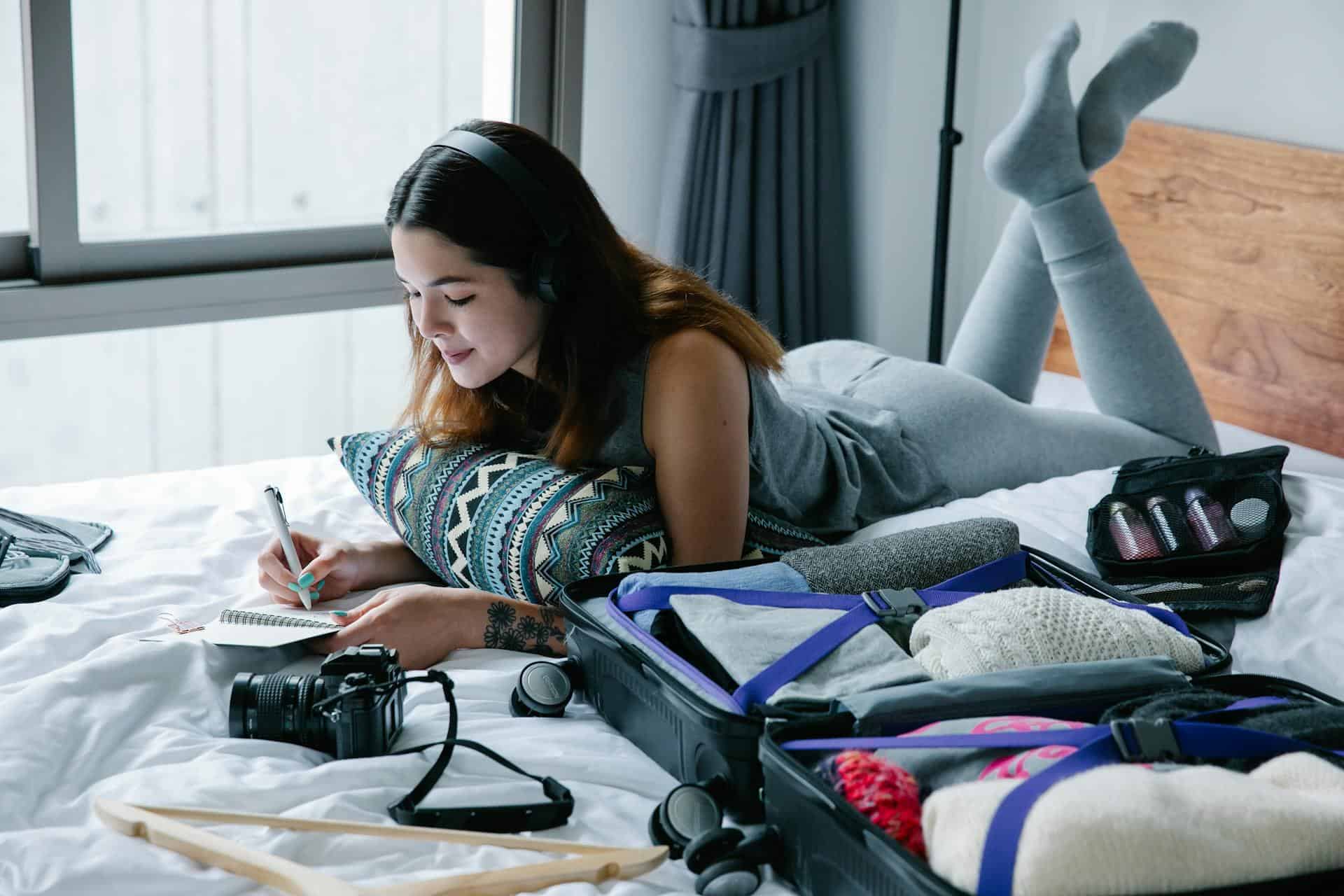
Anxiety builds up in your thoughts, and writing them down can get them out of your head. Try writing a fear and then a calm, realistic response next to it. For example: Fear: “What if the plane crashes?” Response: “Flying is statistically very safe. The crew is trained and the aircraft is inspected.” Some people also like short phrases such as “I can handle this” or “I can get through this”, said out loud or written down.
Use Distractions and Entertainment Wisely
Keeping your mind busy is one of the easiest ways to manage fear during a flight. When your attention is on something you enjoy, there is less room for anxious thoughts. Choose things that are comforting, familiar and engaging.
Pack a Flight Comfort Kit
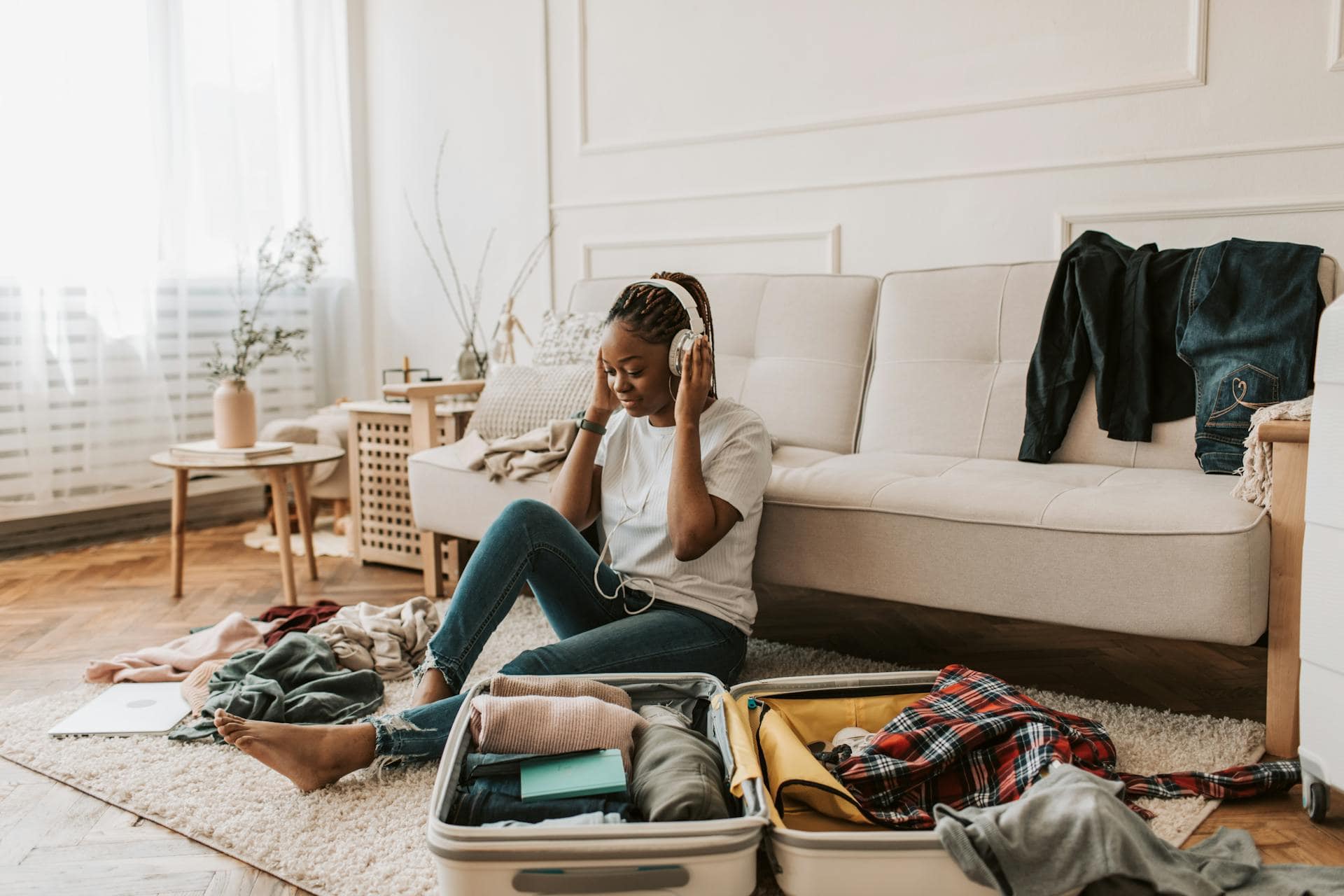
Before your trip, pack a few go-to items you can turn to when you start to feel anxious: noise-cancelling headphones, a slow, soothing playlist, podcasts or audiobooks, and an easy-read book or magazine. Avoid intense or heavy topics. Familiar things that make you feel like yourself work best.
Play Calming Games or Guided Audio
Sometimes doing something with your hands helps more than passive entertainment. Puzzle games, colouring apps and relaxing simulations are good for this. You can also download guided meditations or mindfulness sessions from apps such as Calm, Headspace or Insight Timer, or use one of the Mindshift Method sessions below. They can be especially useful during takeoff or turbulence, when anxiety tends to spike.
Keep It Light
Laughter can ease stress for many people. Choose content that is familiar, funny and easy to follow, such as comedy specials, sitcoms or animated movies, and avoid heavy thrillers or action-packed scenes, which can raise tension without you noticing.
Where MindShift Fits
The Mindshift Method uses Cognitive Pattern Reprogramming, a method created by our co-founder Rob Edmonds, who holds a Diploma of Clinical Hypnosis and Strategic Psychotherapy and is a Certified Neuro-Linguistic Programming Practitioner. Cognitive Pattern Reprogramming draws on Clinical Hypnosis, Strategic Psychotherapy and Neuro-Linguistic Programming. Clinical Hypnosis is used to create a highly focused state of attention. Within that state, Strategic Psychotherapy identifies and works with unhelpful patterns and is designed to help develop more useful ways of thinking, responding and behaving. Neuro-Linguistic Programming techniques may be used throughout to interrupt unhelpful patterns and anchor more useful responses. While listening, you remain aware and in control, able to hear what is being said and respond if you choose.
For fear of flying, it is aimed at the patterns that can build up around a flight, such as the “what if” loop before you travel or the scanning for danger once you are on board. It is delivered as 15 to 20 minute guided audio sessions you can listen to whenever suits you. The sessions are designed to be repeated, and there is no fixed timeframe. People respond differently. You can read more about the method and the evidence.
Cognitive Pattern Reprogramming is not a treatment for fear of flying, phobias or any other condition. It does not diagnose, treat, cure or prevent anything. It is designed to work alongside your GP, psychologist or treating team, never instead of them. No independent study has tested it for fear of flying. Results vary from person to person.
Do not listen to these sessions while driving, operating machinery or doing anything else that needs your full attention. If you are listening on the way to the airport, a passenger can listen, but the driver should not.
The free session is My Mind Won’t Switch Off. One session free for 7 nights · No credit card · $29.95/month unlocks all 50+ sessions · Cancel anytime.
Tips for the Day of Your Flight
Even if you have prepared well, the day itself can bring nerves. A calm, structured start can help.

Eat Light and Stay Hydrated
Heavy or greasy meals can leave you sluggish or nauseous, especially if you are already anxious. Light, balanced meals suit most people. Go easy on caffeine and alcohol, which can increase anxiety and dehydration for many people. Cabins are dry, so drink water through the day. Bring an empty reusable bottle through security and fill it at the gate.
Arrive Early
Rushing is a major stress trigger. Allow plenty of time, following your airline’s recommendation, so you can get through security without pressure, use the bathroom, grab a snack and use a calming technique or listen to music before boarding.
Pick a Seat That Suits You
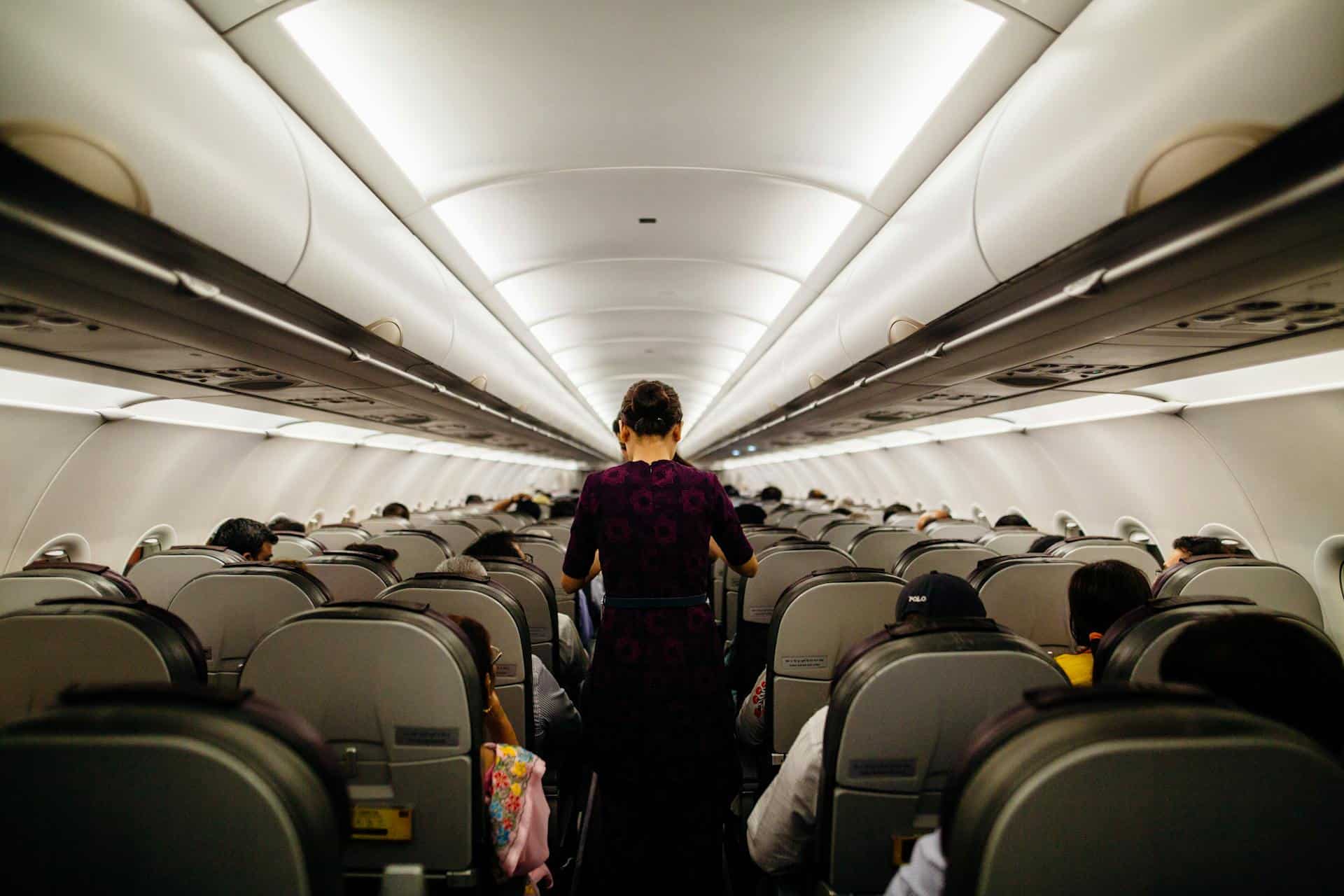
If turbulence is your main worry, seats over the wings tend to feel the smoothest because they are close to the aircraft’s centre of gravity, and the back of the plane usually feels bumpier. Aisle seats make it easier to move around, and window seats give some people a view that helps them feel grounded. Choose in advance if you can.
Other Things People Try
Some people find aromatherapy, such as a few drops of lavender on a tissue, or acupressure wristbands comforting. Evidence for these is limited, so treat them as a personal comfort rather than a treatment. A pharmacist can advise on any product you are unsure about.
This Will Not Suit Everyone
- It tends to suit people who feel nervous about flying and want practical tools and a private, structured way to work with the thoughts around it, alongside a GP or psychologist if they have one.
- Look elsewhere first if the fear is stopping you from travelling you need to do, if you have panic attacks, or if you are relying on alcohol to get through flights. Your GP or a psychologist is the right first step, and the numbers above are there any time.
Common Questions
Is fear of flying common?
Yes. Fear of flying is common, and many people feel nervous about flying even after years of travel. It is not a sign of weakness. If it is stopping you from travelling or causing panic, your GP or a psychologist can help.
How do people manage fear of flying?
People manage fear of flying in different ways. Many use practical strategies such as slow breathing, preparation and distraction. Some work with a psychologist using approaches such as cognitive behavioural therapy and graded exposure, and some discuss medication with their GP. Which is right is a decision for you and your GP or psychologist. Do not start, stop or change medication without medical advice.
What is the safest part of the plane to sit in?
There is no single safest seat. If turbulence is your main worry, seats over the wings tend to feel the smoothest because they are closer to the aircraft’s centre of gravity, and the back of the plane usually feels bumpier.
What triggers fear of flying?
Common triggers include claustrophobia, turbulence, fear of losing control and past negative flight experiences. These can activate the body’s stress response even when there is no danger.
Can breathing techniques calm flight anxiety?
They may help. Slow, controlled breathing such as box breathing can settle the physical symptoms of anxiety for many people, though responses vary.
How can I mentally prepare for a flight?
You can prepare by researching your flight, creating a calming routine, and using journaling or short phrases to answer anxious thoughts with calmer, realistic ones. Preparation can reduce uncertainty, though it will not suit everyone equally.
What should I avoid before flying if I have anxiety?
Many people find it helps to avoid heavy meals, excessive caffeine, alcohol and stressful content before a flight, because these can heighten anxiety symptoms.
Do aromatherapy and acupressure wristbands work?
Evidence for them is limited. Some people find them comforting and they are generally low risk, but treat them as a personal comfort rather than a treatment. A pharmacist can advise on any product you are unsure about.
What if I panic during the flight?
If panic comes on, focus on slow breathing, use a grounding technique such as naming five things you can see, listen to calming music or a guided audio, and tell the cabin crew if you need help. If panic attacks happen often, see your GP.
Is Cognitive Pattern Reprogramming hypnosis?
Yes. Clinical Hypnosis is one of the approaches used within Cognitive Pattern Reprogramming. Cognitive Pattern Reprogramming draws on Clinical Hypnosis, Strategic Psychotherapy and Neuro-Linguistic Programming. Clinical Hypnosis is used to create a highly focused state of attention. Within that state, Strategic Psychotherapy identifies and works with unhelpful patterns, and Neuro-Linguistic Programming techniques may be used throughout to interrupt unhelpful patterns and anchor more useful responses. The sessions are delivered as guided audio. While listening, you remain aware and in control, able to hear what is being said and respond if you choose.
Does Cognitive Pattern Reprogramming treat fear of flying?
No. Cognitive Pattern Reprogramming is not a treatment for fear of flying or any other condition, and no independent study has tested it for fear of flying. It is designed to work alongside appropriate professional care, aimed at the thought and response patterns that can build up around a flight.
Final Thoughts
Getting more comfortable with flying does not usually happen overnight. Like any form of anxiety, it is a process, and small steps count: staying steady through a patch of turbulence, or boarding with less dread than last time. Understanding your fear, preparing your mind and body, and practising calming techniques are approaches many people find useful, alongside professional support when it is needed. You do not have to manage it alone.
Want to go further? The Stress, Anxiety and Overthinking pathway brings together guided audio sessions on this, and you can try one session free for 7 nights, no credit card.