
You can handle a riot in a prison yard, cut someone out of a car after a crash, or talk down a person who is agitated and unpredictable. Then your partner asks a simple question about dinner, something in you snaps, and in that moment you do not recognise yourself.
Many frontline workers describe this. After years of shifts where staying alert kept people safe, that alertness can stop switching off at the end of the day. This guide calls it the Shield: the on-guard state that does its job at work and keeps running at home. Being constantly on alert and scanning for danger is known as hypervigilance.
This guide covers what hypervigilance at home can look like, why it can follow you through the front door, what it can cost, practical ways to come down after a shift, where to get help in Australia, and where the Mindshift Method fits. It is general information, not a diagnosis or medical advice.
What Hypervigilance at Home Can Look Like
- Scanning your own home for danger: choosing the seat with a view of the door, checking locks, tracking exits.
- Jumping or reacting sharply to sudden noise or movement.
- Small requests, interruptions and everyday chaos landing as pressure, even when nothing is wrong.
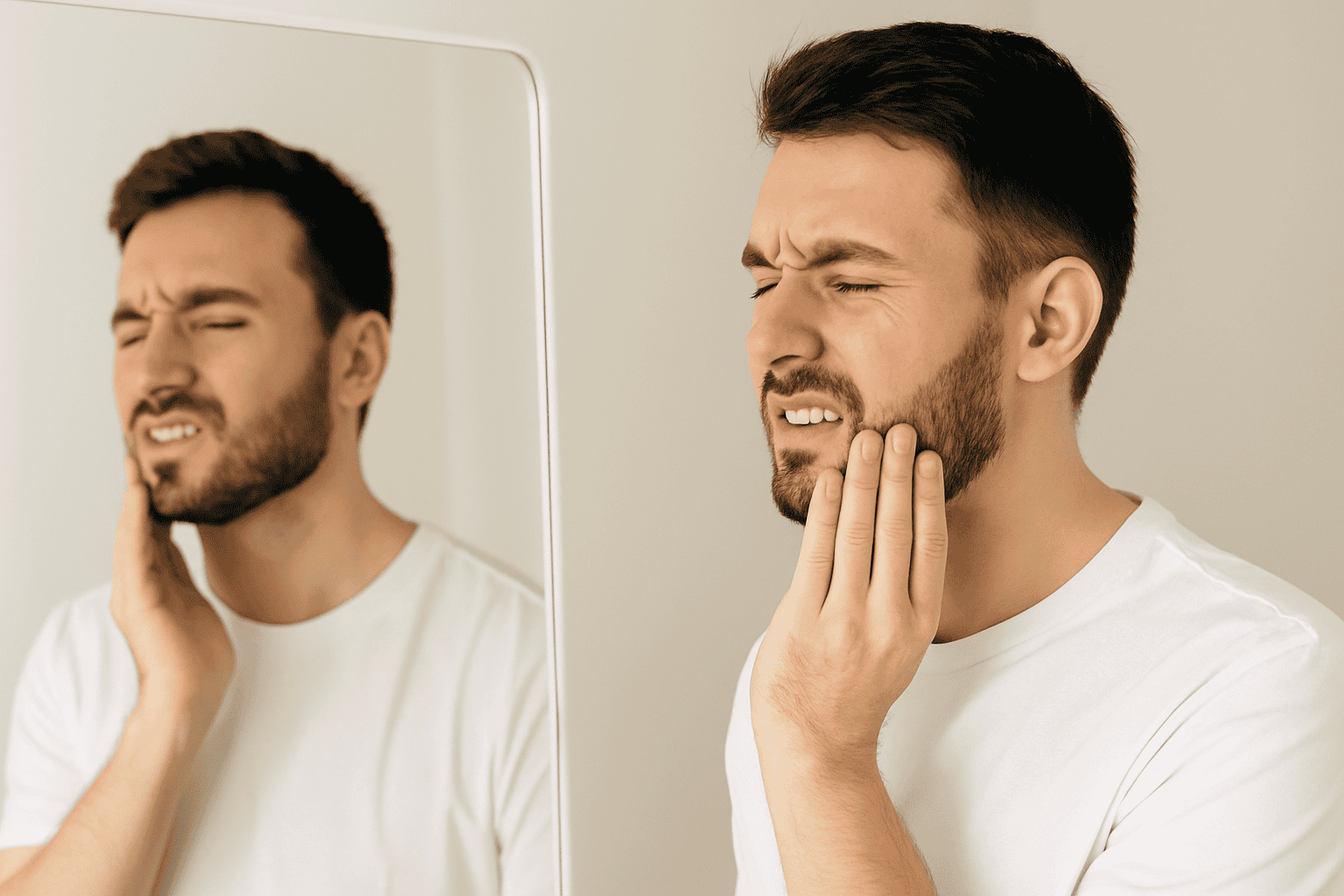
- Snapping at people you love over things that would not bother you at work.
- Not being able to relax, even on days off, as if part of you is still on duty.
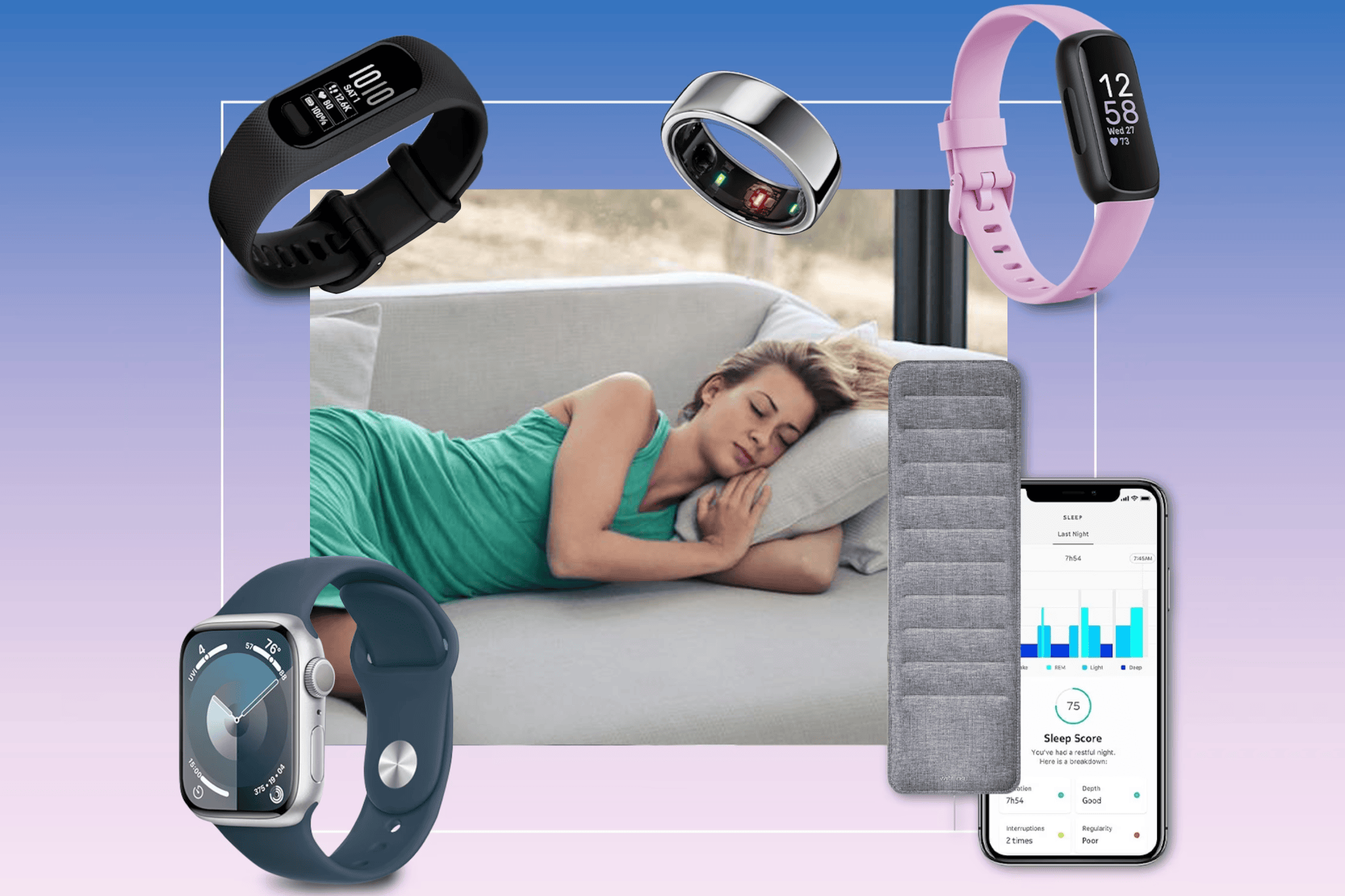
- Light, broken sleep, or lying awake replaying the shift.
Having a few of these does not mean something is wrong with you. If they have gone on for more than a few weeks, or they are affecting your sleep, your relationships or your work, it is worth talking to someone.
Why the Shield Follows You Home
In policing, emergency response, corrections and frontline healthcare, hesitation can cost lives, so people learn to stay one step ahead. The body backs that up with the stress response: hormones such as adrenaline and cortisol prepare you for fast decisions and physical readiness. On the job, that is the Shield doing its work.
The trouble is that the stress response does not switch off just because the shift has ended, and years of staying ready can make readiness the default. Researchers link the brain’s threat-detection systems, including the amygdala, with this kind of heightened alertness. That is a general explanation, not something a guide can tell you about your own situation.
Home can make it harder, not easier. Work has clear roles, procedures and a chain of command. Home is noisy, unpredictable and full of emotional demands, and to someone used to scanning for trouble, that can feel more like pressure than rest. None of this is a character flaw or a lack of willpower. It is a common response to years of demanding work.
What It Can Cost at Home
Hypervigilance at home rarely announces itself. It tends to show up quietly: shorter patience, more distance, and a constant sense that something is about to go wrong.
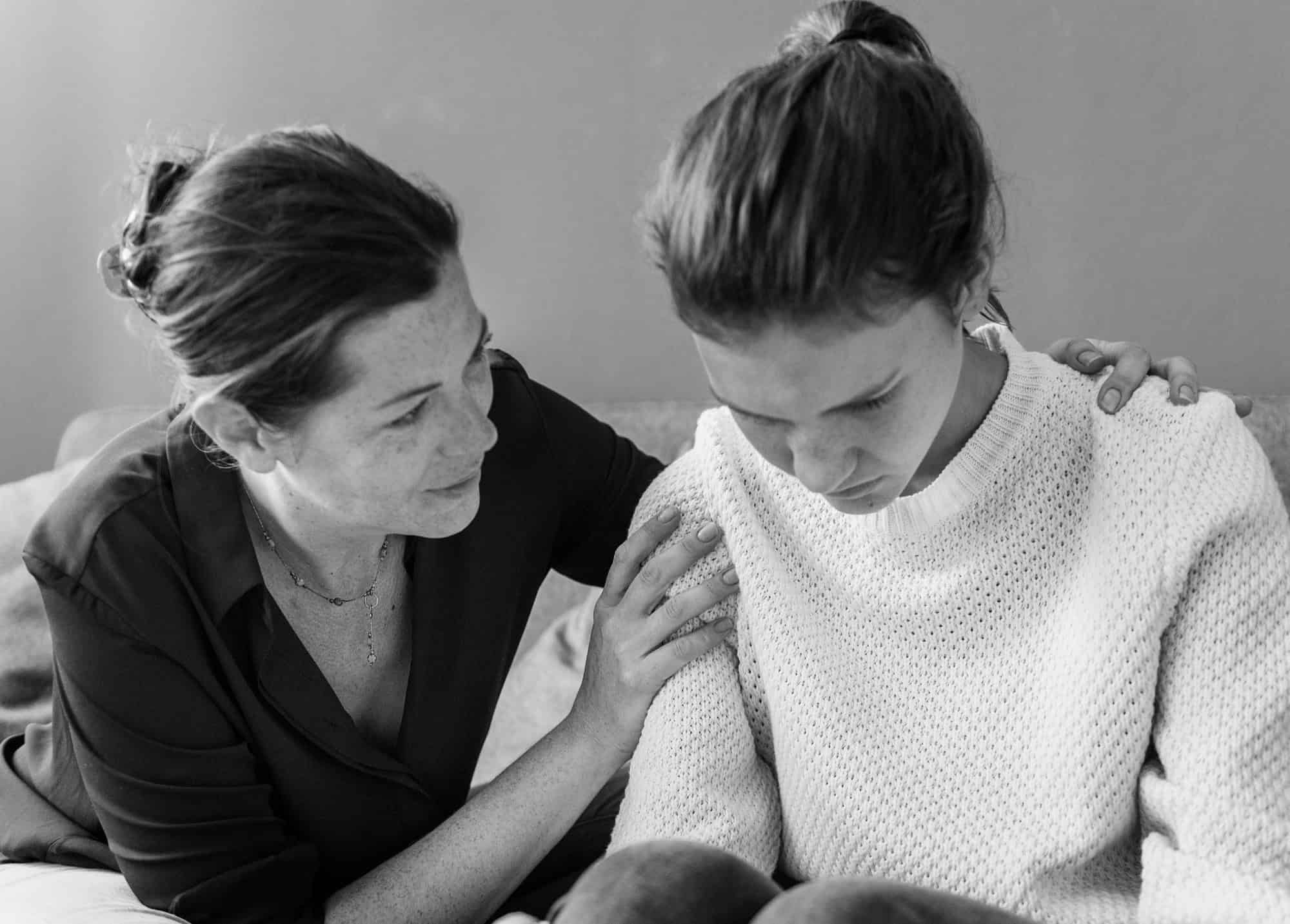
- Distance from the people you love. Partners may describe you as distant or reactive, and children can pick up on the tension without understanding it. Partners often notice before you do.
- Guilt and confusion. Many frontline workers feel ashamed that home feels harder than the job, and do not understand why.
- Exhaustion. Living in constant readiness is tiring, and it often gets into sleep.
- Changes after leaving the job. Some people find the alertness gets louder once the structure and purpose of work are gone. Our guide to PTSD triggers after you hang up the uniform covers this.
Why Willpower, Alcohol and Distraction Often Fall Short
Most frontline workers are not short on ways to cope. Exercise, screens, a few drinks or simply pushing through are common. Some of these help for a while, but on their own they often do not give your body a clear signal that the shift is over.
- Telling yourself to relax rarely works on command, and can add frustration when it does not.
- Distraction shifts your attention for a while, but the alertness often comes back once it ends.
- Alcohol may take the edge off, but it tends to disrupt sleep later in the night, which can leave you more on edge the next day.
- Hard exercise is good for you, and many people find it helps more when it is followed by a proper wind-down.
If alcohol or other drugs have become the main way you switch off, that is worth raising with your GP.

A Bridge Between Work and Home
A deliberate routine between the end of a shift and walking in the door gives you a clear line between work and home. None of these steps is a fix on its own, and what helps varies from person to person. These are things many people in high-alert jobs find useful.
- Change out of your uniform as soon as you can, or leave your work gear in one set spot, so there is a physical signal that the role has ended.
- Give yourself a buffer. A few minutes sitting in the car once you are parked, or a walk around the block, before you go inside.
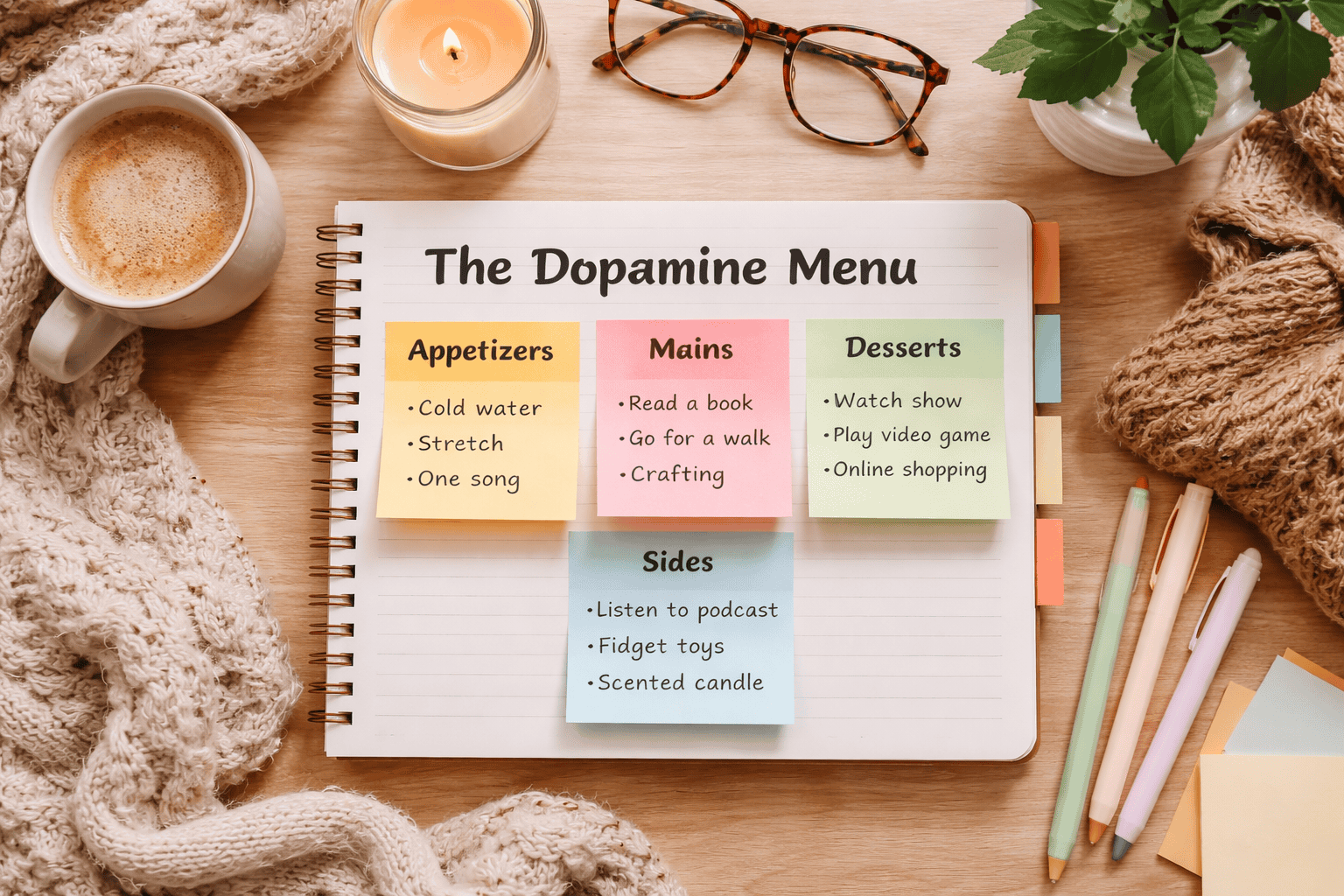
- Use your senses to settle. Cold water on your face or hands, a shower, or a few minutes of slow breathing.
- Come down before you connect. Wait until you notice your breathing has slowed and your body feels less wound up before you dive into family conversations.
- Let your household know. Telling the people at home that you need ten minutes first can save a lot of misunderstanding.
Doing the same routine after every shift tends to work better than doing it only on the bad days. Our guide to why you cannot relax after a shift has more ideas.
When to Get Help, and Where
A good first step is a conversation with your GP. They can talk through what you are noticing, look at other possible causes such as poor sleep or low mood, and, if it fits, arrange a Mental Health Treatment Plan with a referral to a psychologist. Many services also run an Employee Assistance Program (EAP) and peer support, so it is worth asking what is available to you.
It is worth reaching out sooner if you notice nightmares, flashbacks or intrusive memories of calls, if you are drinking more to switch off, if you have felt numb or detached for weeks, or if your anger is frightening the people around you.
If you are struggling right now or having thoughts of harming yourself, please reach out:
- Lifeline: 13 11 14 (24/7)
- Beyond Blue: 1300 22 4636 (24/7)
- In an emergency: call 000
If you need help now
If you are in immediate danger or at risk of harming yourself, contact emergency services immediately.
Australia: Lifeline 13 11 14 | Emergency 000
USA: 988 Suicide & Crisis Lifeline | Emergency 911
UK: Samaritans 116 123 | Emergency 999
Our guides to correctional officer hypervigilance, emotional compartmentalisation and PTSD after retirement cover related ground.
Where the Mindshift Method Fits
The Mindshift Method uses Cognitive Pattern Reprogramming, created by Rob Edmonds, who holds a Diploma of Clinical Hypnosis and Strategic Psychotherapy and is a Certified Neuro-Linguistic Programming Practitioner. It draws on Clinical Hypnosis, Strategic Psychotherapy and Neuro-Linguistic Programming. Clinical Hypnosis is used to create a highly focused state of attention. Within that state, Strategic Psychotherapy identifies and works with unhelpful patterns and is designed to help develop more useful ways of thinking, responding and behaving. Neuro-Linguistic Programming techniques may be used throughout to interrupt unhelpful patterns and anchor more useful responses. While listening, you remain aware and in control, able to hear what is being said and respond if you choose.
It is delivered as 15 to 20 minute guided audio sessions that you listen to on your own device, in a quiet, private place. You do not have to talk through what you have seen or relive any call. Some frontline workers use a session as part of their wind-down after a shift. The sessions are designed to be repeated, and there is no fixed timeframe. People respond differently. You can read more about the method and the evidence, including what has and has not been tested.
Cognitive Pattern Reprogramming is not a treatment for hypervigilance, PTSD or any other condition. It does not diagnose, treat, cure or prevent anything. It has not undergone an independent clinical trial as a complete branded method. It is designed to work alongside your GP, psychologist or treating team, not instead of them.
Do not listen while driving or operating machinery.
The free session is Workplace Stress. One session free for 7 nights · No credit card · $29.95/month unlocks all 50+ sessions · Cancel anytime.
This Will Not Suit Everyone
- It may suit you if you are coping, but you notice you are still wound up hours after a shift and want something private and structured to help you come down, alongside support from a GP or psychologist.
- Look elsewhere first if you are in crisis, if you think you may have PTSD and have not been assessed, or if alcohol or other drugs have become the main way you switch off. Your GP is the right first step, and the numbers above are there any time.
Common Questions
What is hypervigilance at home?
Hypervigilance at home is staying on alert and scanning for danger at home, even when you are safe. For frontline workers it is often an on-guard habit built up on the job that does not switch off when the shift ends. It is a recognised response to stress and trauma, not a diagnosis on its own.
Why do frontline workers feel more irritable at home than at work?
Many frontline workers find home harder than work because work has clear roles and procedures, while home is unstructured and full of small demands. For someone used to scanning for trouble, noise and interruptions can register as pressure. It is a common response, not a character flaw.
Is hypervigilance the same as an anger problem?
Hypervigilance is not the same as an anger problem. It is a state of constant alertness, and irritability or snapping can be one of the ways it shows. If anger is hurting the people around you, a GP or psychologist can help you work out what is going on.
Is hypervigilance a sign of PTSD?
Hypervigilance can be one of the signs of post-traumatic stress disorder (PTSD), but feeling on alert after a hard shift does not mean you have PTSD. Only a GP, psychologist or psychiatrist can assess that. If the alertness is constant or has gone on for more than a few weeks, it is worth getting checked.
Does hypervigilance go away after retirement?
Hypervigilance does not always ease after retirement. Some people find it settles with time and support, and others find it gets louder once the structure of the job is gone. If it is affecting your sleep, your relationships or your drinking, talk to your GP.
Is Cognitive Pattern Reprogramming a treatment for hypervigilance or PTSD?
No. Cognitive Pattern Reprogramming does not diagnose, treat, cure or prevent hypervigilance, PTSD or any other condition. It is self-guided audio designed to work alongside your GP, psychologist or treating team.
Is Cognitive Pattern Reprogramming hypnosis?
Yes. Clinical Hypnosis is one of the approaches used within Cognitive Pattern Reprogramming. Cognitive Pattern Reprogramming draws on Clinical Hypnosis, Strategic Psychotherapy and Neuro-Linguistic Programming. Clinical Hypnosis is used to create a highly focused state of attention. Within that state, Strategic Psychotherapy identifies and works with unhelpful patterns, and Neuro-Linguistic Programming techniques may be used throughout to interrupt unhelpful patterns and anchor more useful responses. The sessions are delivered as guided audio. While listening, you remain aware and in control, able to hear what is being said and respond if you choose.
Can I listen to the sessions while driving?
No. Do not listen while driving or operating machinery. The sessions are best done in a quiet, private place where you can sit or lie down.
Conclusion
If hypervigilance at home has left you feeling distant, irritable or unable to relax, it is not because you have changed for the worse. The Shield did its job at work. What helps now is giving yourself a clear way to come down after a shift, people around you who understand, and help from your GP or a psychologist if it has gone on too long. You have spent your working life looking after everyone else. It is okay to look after yourself too.