
Feeling nervous in social situations is one thing but if just the thought of talking to someone new makes your heart race or you constantly fear being judged, it may be worth looking more closely at what is going on. For many people this means avoiding conversations, skipping events, or overthinking every word said in public. It is more than shyness, and it can affect confidence, relationships and daily life.
You are not alone. Social anxiety is common, and there is a range of support for it. This guide covers what it can feel like, where to get help in Australia, practical things many people find useful, and where the Mindshift Method fits.
What Social Anxiety Can Feel Like

Social anxiety (also called social anxiety disorder) is an intense, persistent fear of being judged, embarrassed or rejected in social situations. It is more than shyness or feeling awkward. Many people describe a constant worry that others are watching, criticising or evaluating them, and even simple interactions such as saying hello, speaking in a group or making eye contact can feel overwhelming.
It is often set off by specific situations: meeting new people, public speaking, being the centre of attention, or eating in front of others. The body can react too, with sweating, shaking, a racing heart or nausea. Over time, some people begin to avoid social settings altogether, which can lead to loneliness, low self-esteem and difficulty at work or in relationships.
Only a GP, psychologist or other qualified clinician can say whether what you are experiencing is social anxiety disorder. This page describes experiences, not a diagnosis.
When to Get Help, and Where
If social anxiety is holding you back from work, study, friendships or things you want to do, or it has lasted for months, talk to your GP. They can assess what is going on and, if it fits, set up a Mental Health Treatment Plan with a referral to a psychologist. Talking therapies such as cognitive behavioural therapy are a common first-line approach, and some people also discuss medication with their doctor. Which option suits you is a decision to make with a clinician, and nothing on this page should change what you have been prescribed.
Young people can also contact headspace, which supports ages 12 to 25. If you are struggling right now or having thoughts of harming yourself, please reach out:
- Lifeline: 13 11 14 (24/7)
- Beyond Blue: 1300 22 4636 (24/7)
- In an emergency: call 000
If you are in immediate danger or at risk of harming yourself, contact emergency services immediately. Australia: Lifeline 13 11 14 | Emergency 000. USA: 988 Suicide & Crisis Lifeline | Emergency 911. UK: Samaritans 116 123 | Emergency 999.
Practical Ways to Cope
These are approaches many people find useful, alongside professional support. What works varies from person to person, and none of them is a fix on its own.
- Slow your breathing. Anxiety tends to make breathing quick and shallow. Breathing in for four and out for six, a few times, is a simple way to settle before or during a social situation.
- Take small steps toward what you avoid. Start with something mildly uncomfortable, such as a short chat with a cashier, and build up gradually. Avoidance tends to keep anxiety going, and small, repeated steps are how many people widen their comfort zone.
- Prepare, but do not over-rehearse. A couple of conversation openers or questions can help. Scripting every word often adds pressure.
- Turn your attention outwards. Anxiety pulls focus inward, to how you look and sound. Listening to what the other person is saying, or noticing the room, can ease some of that self-monitoring.
- Test the thought. “Everyone will notice if I stumble” is a prediction, not a fact. Ask what you would say to a friend, or what usually happens when you do stumble.
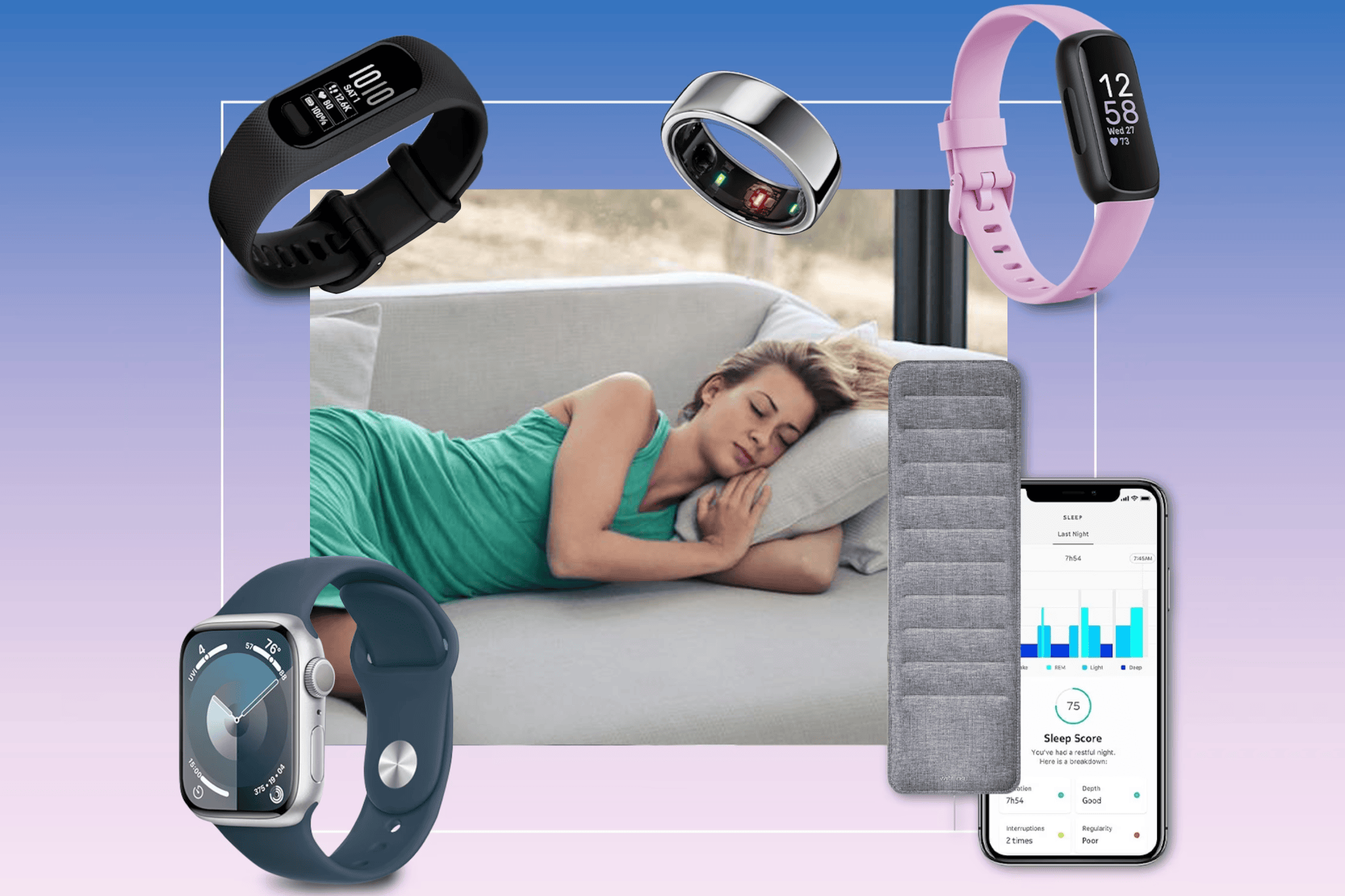
- Look after the basics. Regular sleep, movement and food help, and caffeine and alcohol can make anxiety feel worse for many people.
- Be kind about the slip-ups. One awkward moment is not evidence about who you are.
Where MindShift Fits
The Mindshift Method uses Cognitive Pattern Reprogramming, a method created by our co-founder Rob Edmonds, who holds a Diploma of Clinical Hypnosis and Strategic Psychotherapy and is a Certified Neuro-Linguistic Programming Practitioner. Cognitive Pattern Reprogramming draws on Clinical Hypnosis, Strategic Psychotherapy and Neuro-Linguistic Programming. Clinical Hypnosis is used to create a highly focused state of attention. Within that state, Strategic Psychotherapy identifies and works with unhelpful patterns and is designed to help develop more useful ways of thinking, responding and behaving. Neuro-Linguistic Programming techniques may be used throughout to interrupt unhelpful patterns and anchor more useful responses. While listening, you remain aware and in control, able to hear what is being said and respond if you choose.
For social anxiety, it is aimed at the patterns that can build up around social situations, such as replaying conversations afterwards or predicting judgement beforehand. It is delivered as 15 to 20 minute guided audio sessions you can listen to whenever suits you. The sessions are designed to be repeated, and there is no fixed timeframe. People respond differently. You can read more about the method and the evidence.
Cognitive Pattern Reprogramming is not a treatment for social anxiety or any other condition. It does not diagnose, treat, cure or prevent anything. It is designed to work alongside your GP, psychologist or treating team, never instead of them. No independent study has tested it for social anxiety. Results vary from person to person.
Do not listen to these sessions while driving, operating machinery or doing anything else that needs your full attention.
The free session is My Mind Won’t Switch Off. One session free for 7 nights · No credit card · $29.95/month unlocks all 50+ sessions · Cancel anytime.
This Will Not Suit Everyone
- It tends to suit people who feel uneasy in social situations and want a structured, private way to work with the thoughts around them, alongside a GP or psychologist if they have one.
- Look elsewhere first if avoidance is stopping you from working or leaving the house, if you feel hopeless, or if you are relying on alcohol to cope. Your GP is the right first step, and the numbers above are there any time.
Common Questions
What is social anxiety?
Social anxiety is an intense, persistent fear of being judged, embarrassed or rejected in social situations. It can cause physical symptoms such as sweating, shaking and a racing heart, and it can lead people to avoid social settings. Only a GP, psychologist or other qualified clinician can say whether it is social anxiety disorder.
How do people manage social anxiety?
People manage social anxiety in different ways. Some use talking therapies such as cognitive behavioural therapy, some use practical strategies and lifestyle changes, some discuss medication with their doctor, and many use a mix. Which is right is a decision for you and your GP or psychologist. Do not stop or change prescribed medication without talking to your prescriber.
Is Cognitive Pattern Reprogramming hypnosis?
Yes. Clinical Hypnosis is one of the approaches used within Cognitive Pattern Reprogramming. Cognitive Pattern Reprogramming draws on Clinical Hypnosis, Strategic Psychotherapy and Neuro-Linguistic Programming. Clinical Hypnosis is used to create a highly focused state of attention. Within that state, Strategic Psychotherapy identifies and works with unhelpful patterns, and Neuro-Linguistic Programming techniques may be used throughout to interrupt unhelpful patterns and anchor more useful responses. The sessions are delivered as guided audio. While listening, you remain aware and in control, able to hear what is being said and respond if you choose.
Will I be unconscious or lose control during a session?
No. While listening, you remain aware and in control, able to hear what is being said and respond if you choose. Do not listen while driving or operating machinery.
How soon will I notice a change?
There is no fixed timeframe. The sessions are designed to be repeated, and people respond differently. Some people notice changes sooner and others more gradually, and no result can be promised.
Does Cognitive Pattern Reprogramming treat social anxiety?
No. Cognitive Pattern Reprogramming is not a treatment for social anxiety or any other condition, and no independent study has tested it for social anxiety. It is designed to work alongside appropriate professional care, aimed at the thought and response patterns that can build up around social situations.
When should I see a GP about social anxiety?
See a GP if social anxiety is holding you back from work, study or relationships, if it has lasted for months, or if you are using alcohol to cope. A GP can arrange a Mental Health Treatment Plan and a referral to a psychologist. If you are in crisis, call Lifeline on 13 11 14, or 000 in an emergency.
You Deserve to Feel Comfortable Around Others
Social anxiety does not define who you are. It is something you are experiencing, and support is available. With help from your GP or a psychologist, and practical steps taken at your own pace, many people find social situations become more comfortable over time, though experiences differ. You are not broken, and you are not alone.
If this is something you live with, have a look at the Stress, Anxiety and Overthinking pathway: 15 to 20 minute guided audio sessions designed to sit alongside any other support you have.