

Trauma & PTSD
Hypervigilance, vicarious trauma and feeling safe again.
Everything on Trauma & PTSD
Start with the guide at the top, then work through the supporting articles underneath it.
 Trauma & PTSD
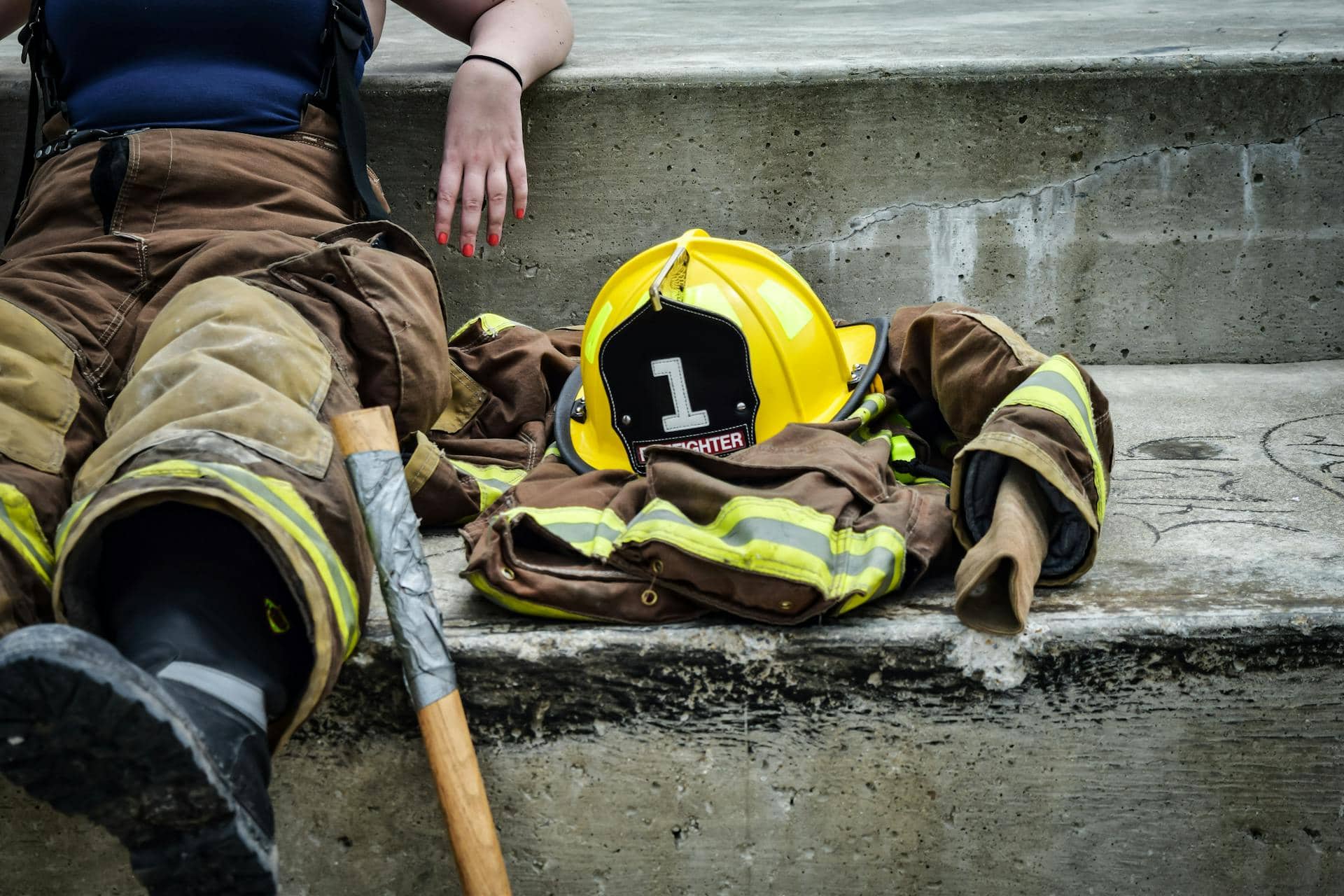
 PTSD triggers after you hang up the uniform, and what helps
A siren goes past and your heart jumps. For a lot of retired first responders, the job surfaces after they leave it. What triggers are, why they can get louder in retirement, and what helps.
Read the guide Trauma & PTSD
 Hypervigilance at Home: Why You Can't Turn Off "The Shield" After Shift
Why frontline workers can stay on alert at home after a shift, what it can cost, practical ways to come down, and where to get help in Australia.
Read the guide Trauma & PTSD Vicarious Trauma in Frontline Workers: Private, Practical Support
Vicarious trauma is the emotional toll of repeated exposure to other people's distress. What it can look like, where to get help, and where MindShift fits.
Read the guide Trauma & PTSD
 Feeling Disconnected? Understanding Disassociation
Feeling numb, on autopilot or like you are watching life from a distance? Common experiences of disassociation, why it may happen, and when to get help.
Read the guide Trauma & PTSD
 Disassociation: Why It Happens and What to Do
Ever feel like you are going through the motions, but not really there? What disassociation feels like, why it happens, and grounding steps.
Read the guide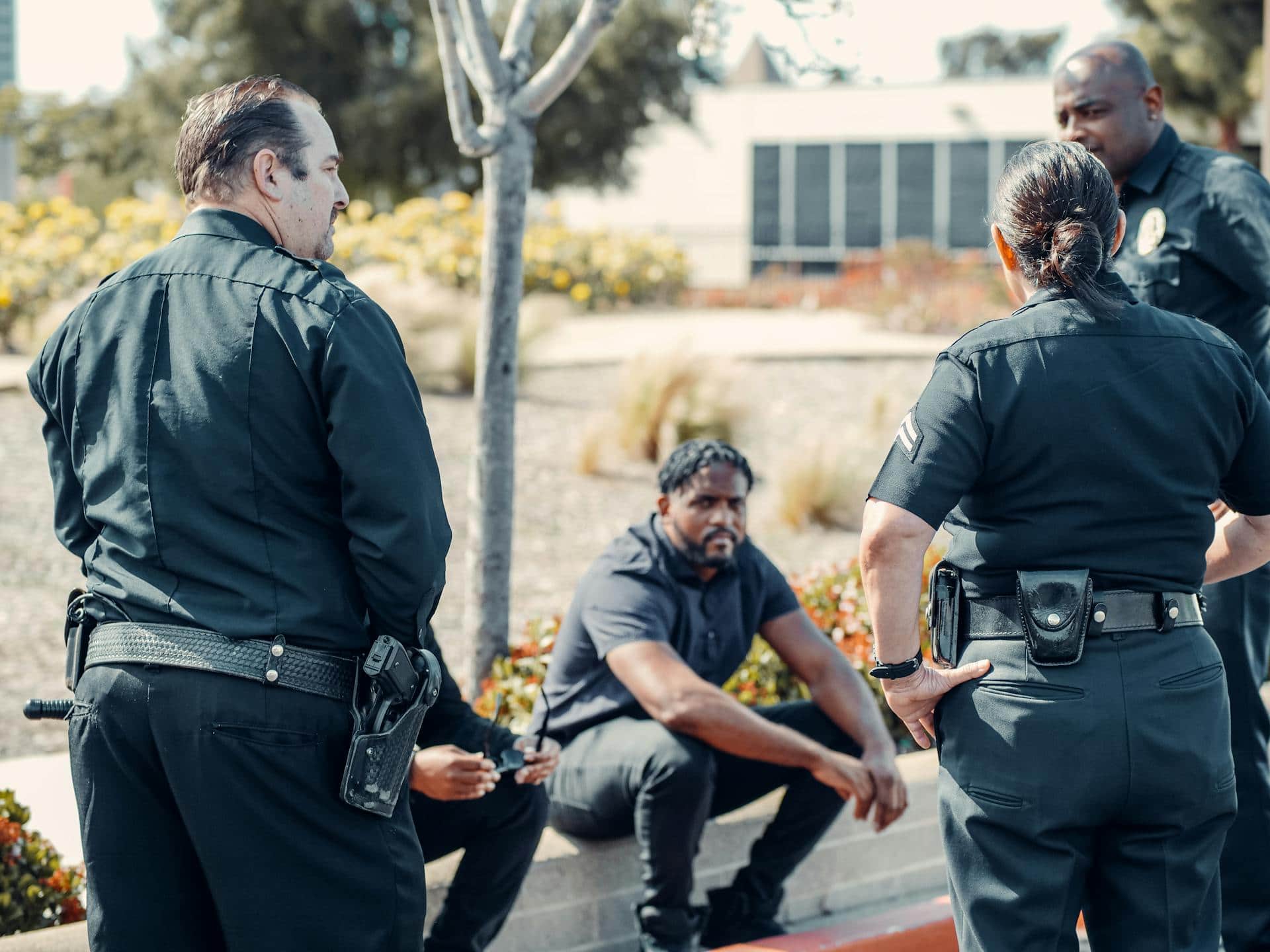 Trauma & PTSD
 Correctional Officer Hypervigilance: What It Is & How to Manage
Why correctional officers can stay on high alert after a shift, how it can affect sleep and relationships, and practical ways to come down.
Read the guide Trauma & PTSD
 Emotional Compartmentalisation in First Responders: When It Helps and When It Harms
Why first responders set feelings aside on the job, when compartmentalising helps, when it starts to cost you, and where to get help in Australia.
Read the guide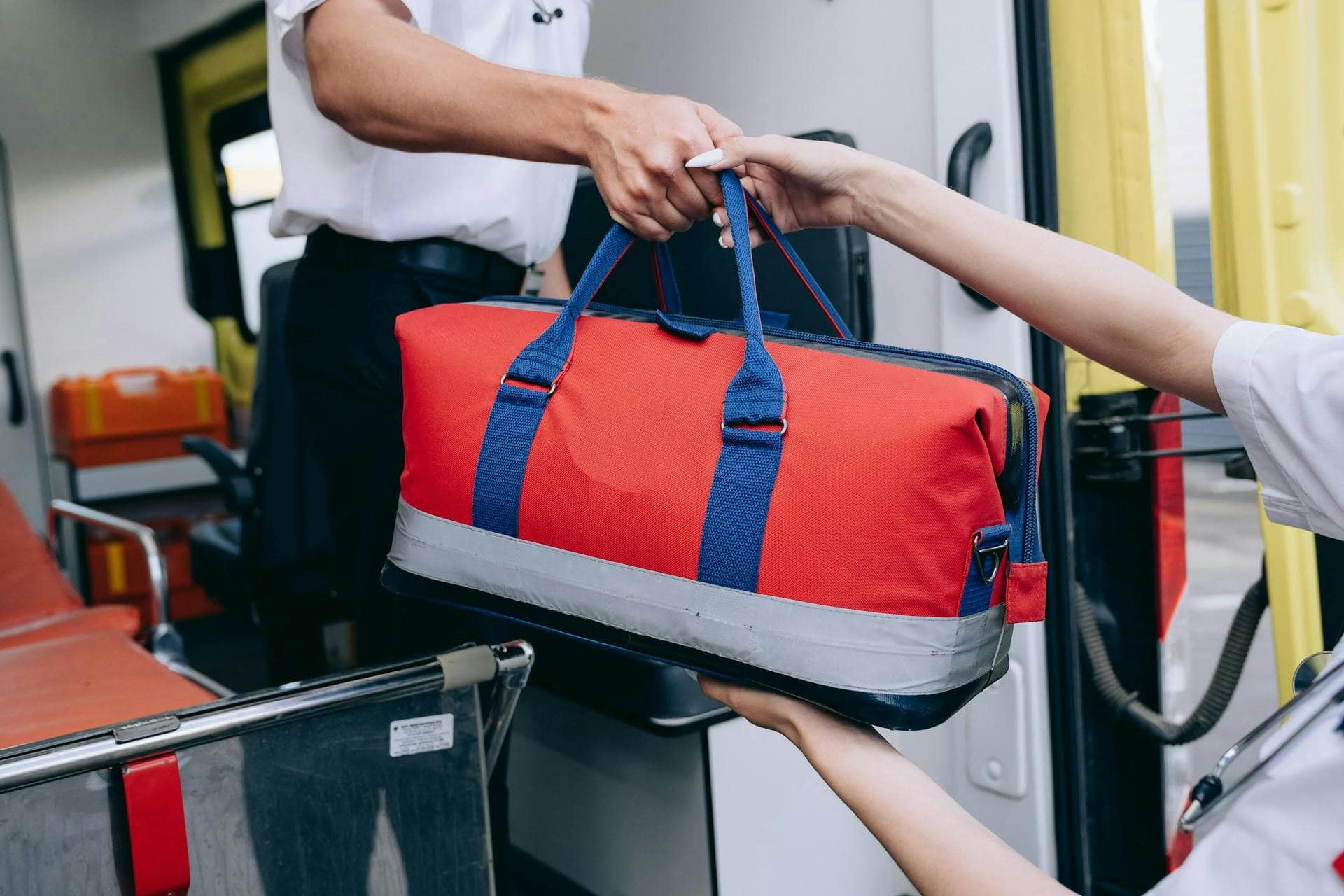 Trauma & PTSD
 Critical Incident Stress Debriefing: What the Research Says and What Helps
Why compulsory Critical Incident Stress Debriefing is no longer recommended, what services use instead, and where first responders can get help in Australia.
Read the guide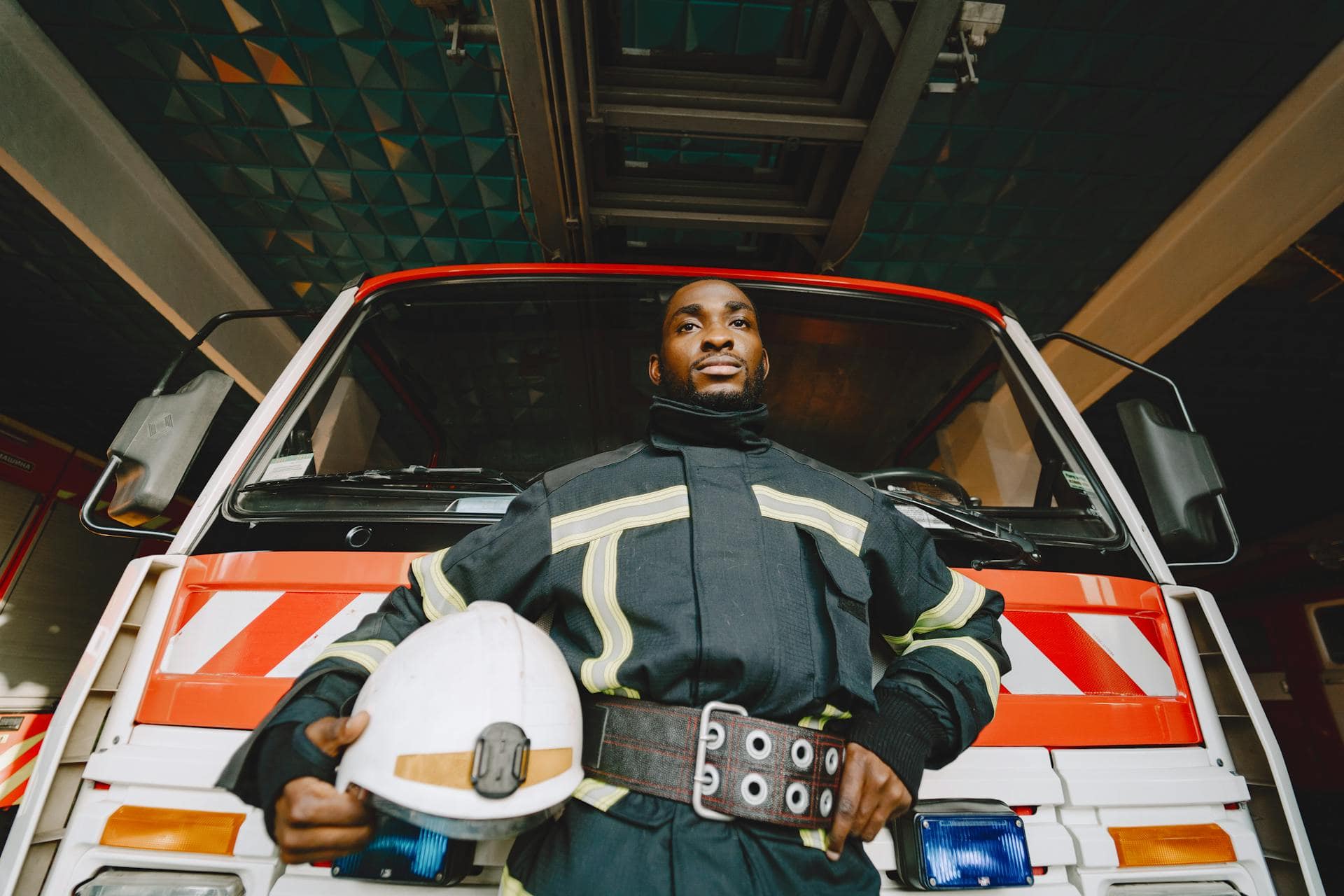 Trauma & PTSD
 Hypervigilance At Work: Why You Can't Relax After Shift
The shift ends but your body stays on alert. Why hypervigilance is so common in first responders, where to get help in Australia, and practical ways to come down after a shift.
Read the guide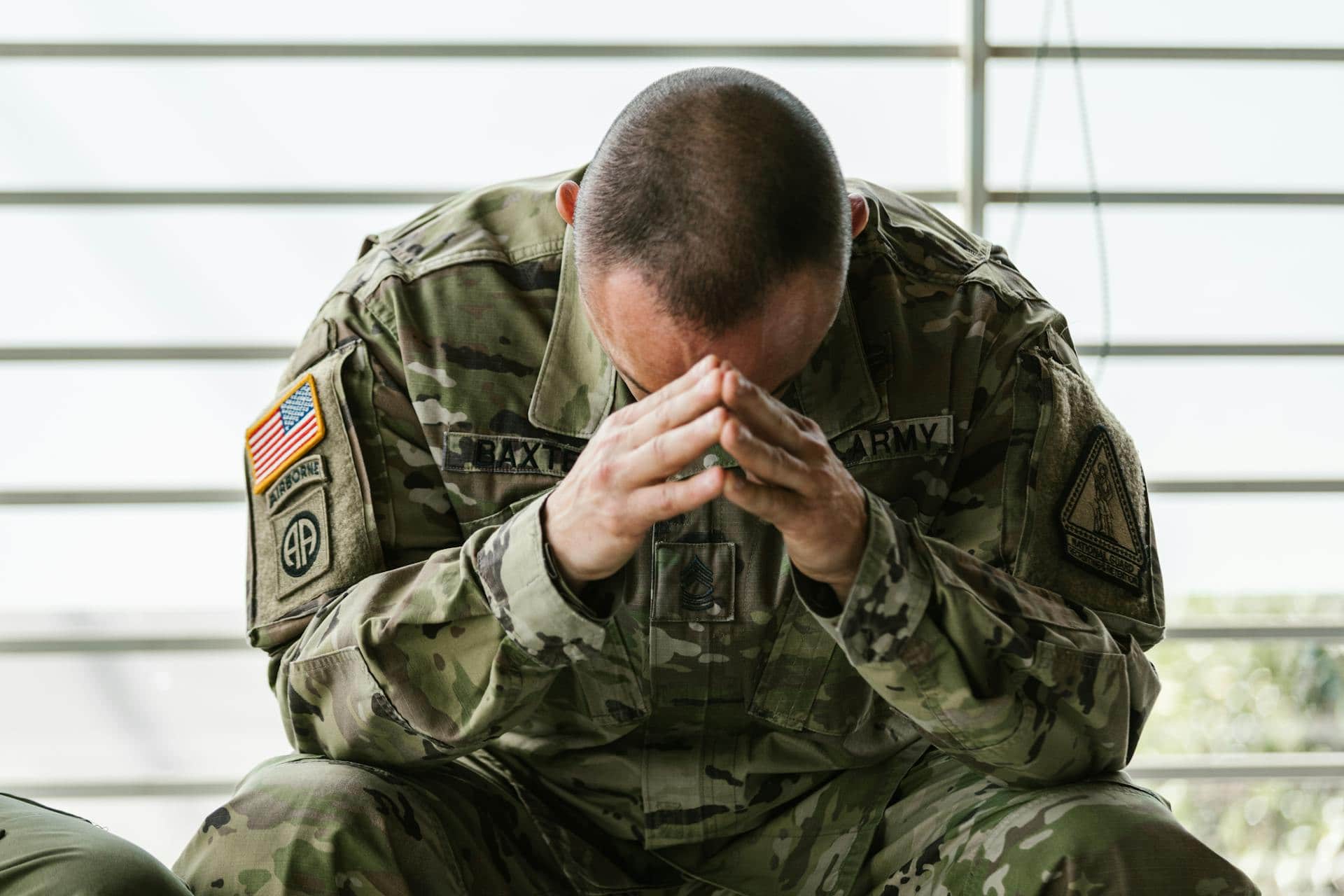 Trauma & PTSD
 Why Do Frontline Workers Face PTSD and Stress After Retiring?
Police, firefighters, paramedics and nurses often find the hardest part starts after the last shift. Why PTSD and stress surface in retirement, what helps, and where to get help in Australia.
Read the guide Trauma & PTSD
 Why Frontliners Experience Sleep Insomnia, Even When Exhausted
Why sleep is so hard for emergency and essential workers, practical things many people find useful, and when to get help.
Read the guideRelated topics
These patterns tend to travel together, so it is worth a look next door.
ADHD & Focus
Paralysis, distraction, emotional sensitivity and routines.
19 articlesBruxism & Jaw Tension
Grinding, clenching, morning jaw pain and hidden stress.
18 articlesSleep & Recovery
Racing thoughts, waking overnight, fatigue and recovery.
3 articlesAnxiety & Stress
Overthinking, pressure, worry and calm.
8 articles